Product quality, food safety, and environmental concerns.
Delivering Safe Happiness in Every Meal
We pay attention to every step of production to deliver safe food, filling every family with smiles and happiness.
Green TF
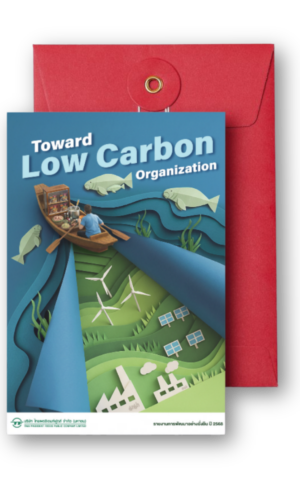
Toward a Low-Carbon Organization
Driving a Low-Carbon Future for a Sustainable Planet
Key Sustainability Achievements
Thai President Foods is advancing toward becoming a low-carbon organization, producing world-class food with responsibility for the planet, while delivering sustainable value through clear operational achievements over the past year.
0%
Reduction in direct and indirect GHG emissions intensity per unit of product
0%
Reduction in energy consumption intensity per unit of product
0%
Reduce water consumption per unit of product
Driving Business with Responsibility
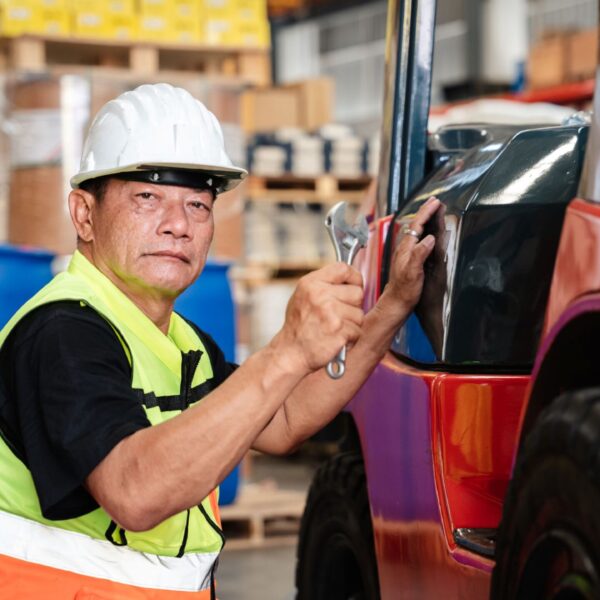
Occupational health and safety
Building a Culture of Workplace Safety, Well-being, and Zero Work-related Accidents
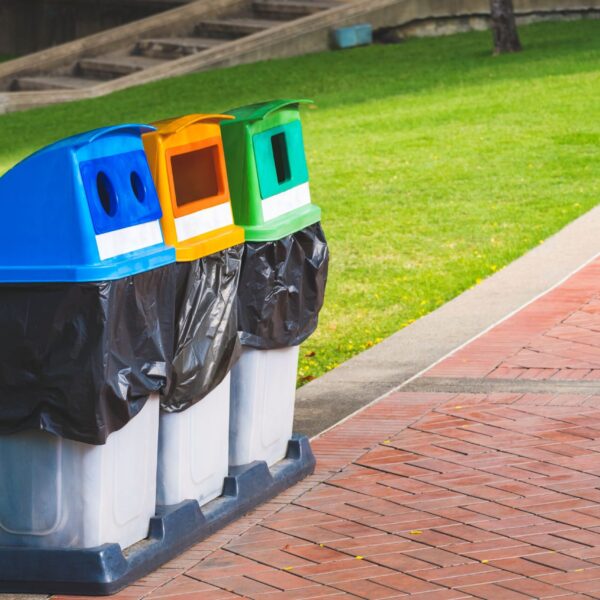
Pollution and Resource Use
Optimizing Resource Use, Managing Pollution, and Reducing Waste Across the Production Value Chain
Water security
Managing Water Sustainably to Ensure Sufficiency and Protect Communities and Ecosystems
Special projects and success stories that reflect our commitment to creating positive environmental impact, improving community well-being, and driving TFMAMA toward a sustainable future.
We are committed to continuously adapting, learning, and harnessing innovation to drive our organization forward — delivering quality, safe, and sustainable food for today and for the world of tomorrow.
Dr. Poj Paniangvait
Managing Director, Thai President Foods Public Company Limited
Sustainability Management
Management Corporate Sustainability
Sustainability Governance
The Company has established a robust three-tier governance structure to ensure that policies are effectively translated into concrete actions and implemented consistently throughout the organization.
Policy Level — Board of Directors: Responsible for setting the Company’s direction, vision, mission, and overall sustainability policies, as well as appointing relevant committees to oversee good corporate governance and foster a strong organizational culture.
Management Level — Corporate Governance and Sustainability Committee: Responsible for translating policies into strategies, approving action plans and key performance indicators (KPIs), and overseeing the management of sustainability-related risks.
Operational Level — Sustainable Business Development Working Group: Serves as the key mechanism for coordinating with relevant departments to drive action plans across operational areas and engage with stakeholders.
Sustainability Strategy
Our strategy is integrated across the business value chain to strengthen food security while promoting environmentally responsible operations.
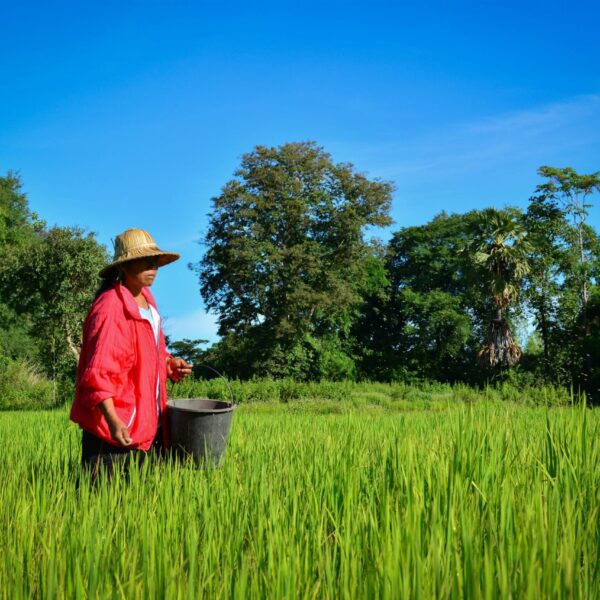
Upstream — Raw Material Sourcing: We source raw materials from trusted sources, support farmers, and collaborate with business partners to assess ESG-related risks, while advancing the development of environmentally friendly packaging.
Midstream — Production Process: We focus on production through modern technologies, transitioning toward clean energy, reducing water consumption, and managing waste in line with circular economy principles to achieve our Zero Waste to Landfill goal.
Downstream — Delivery: We deliver safe products that meet international standards and create shared value with communities through social contribution initiatives.
Risk Management
The Company views risk management not merely as a preventive tool, but as a strategic mechanism to strengthen business resilience and support growth amid uncertainty. This includes climate-related risks, for which the Company applies the TCFD framework to assess potential impacts.
Physical Risks: We address extreme weather events by strengthening water security systems, securing alternative raw water sources, promoting water reuse and recycling, and maintaining raw material reserves to mitigate potential supply chain disruptions.
Transition Risks: We address emerging regulations, such as carbon taxation, by accelerating the transition to clean energy, improving machinery efficiency, and developing carbon footprint labels to maintain business competitiveness.