


Fostering a Safety Culture for the Sustainable Well-being of Employees
The Company regards safety as a core value and is committed to fostering a safe, accident-free workplace. Going beyond regulatory compliance, we continuously strengthen our occupational health and safety practices through a proactive approach to risk prevention and management, ensuring the well-being of all employees, who are our most valuable asset.
0.97
The Company achieved a Total Case Incident Rate (TCIR) in 2025 that outperformed its target of less than 1.0, reflecting the effectiveness of its proactive safety management approach and ongoing commitment to fostering a safe and healthy workplace for all employees.
0
Number of High-Consequence Work-related Injuries Resulting in Fatalities or Permanent Disability in 2025
Percentage of Manufacturing Sites (4 out of 5) Achieving the Target Total Case Incident Rate (TCIR)
Composition of
Management Structure
Safety Master Plan
Zero Accident Roadmap: Journey Toward a Sustainably Accident-Free Organization
Building the Foundation
(Foundation)
Establish a robust safety management foundation in compliance with legal requirements and international standards, while ensuring that all functions clearly understand and fulfill their fundamental safety roles and responsibilities.
Proactive Prevention
(Proactive)
Advance beyond regulatory compliance toward a proactive prevention approach, fostering a strong and tangible safety culture that is embedded throughout the workplace.
sustainability
(Sustainability)
Strive toward becoming a Zero Accident organization while sustaining a strong and enduring safety culture as an integral part of the Company’s operations.
Innovation & Tech
The Company applies in-depth analytical tools, including the 5 Whys and Fishbone Diagram, as part of its Root Cause Analysis (RCA) process. Investigations are conducted within 72 hours of an incident to accurately identify underlying systemic causes rather than attributing incidents solely to individual errors. This approach enables more effective corrective actions and helps prevent similar incidents from recurring.

Proactive Operations
The Company drives its Zero Recurrence Strategy through a range of proactive measures designed to eliminate the root causes of incidents and prevent similar occurrences from happening again.
(1) Engineering Controls: The Company prioritizes corrective actions in accordance with the Hierarchy of Controls, focusing first on engineering and structural improvements to eliminate or reduce hazards at their source.
(2) Communication and Safe Work Practices: The Company continuously improves Work Instructions (WI) and ensures that 100% of employees receive relevant safety training to reinforce awareness and compliance with safe work practices.
(3) Continuous Monitoring and Verification: The Company conducts weekly safety inspections and regularly evaluates the effectiveness of control measures to ensure sustained risk reduction and continuous improvement in workplace safety performance.
Occupational Health, Safety, and Working Environment Management and Promotion
The Company places great importance on integrating occupational health and safety into its operations. In alignment with the Occupational Safety, Health and Working Environment Act B.E. 2554 (2011), the Company has established policies and management practices to ensure effective operational control, prevent and minimize losses arising from workplace incidents, and maintain a healthy, hygienic, and safe working environment for all employees.
Safety Training and Awareness Building
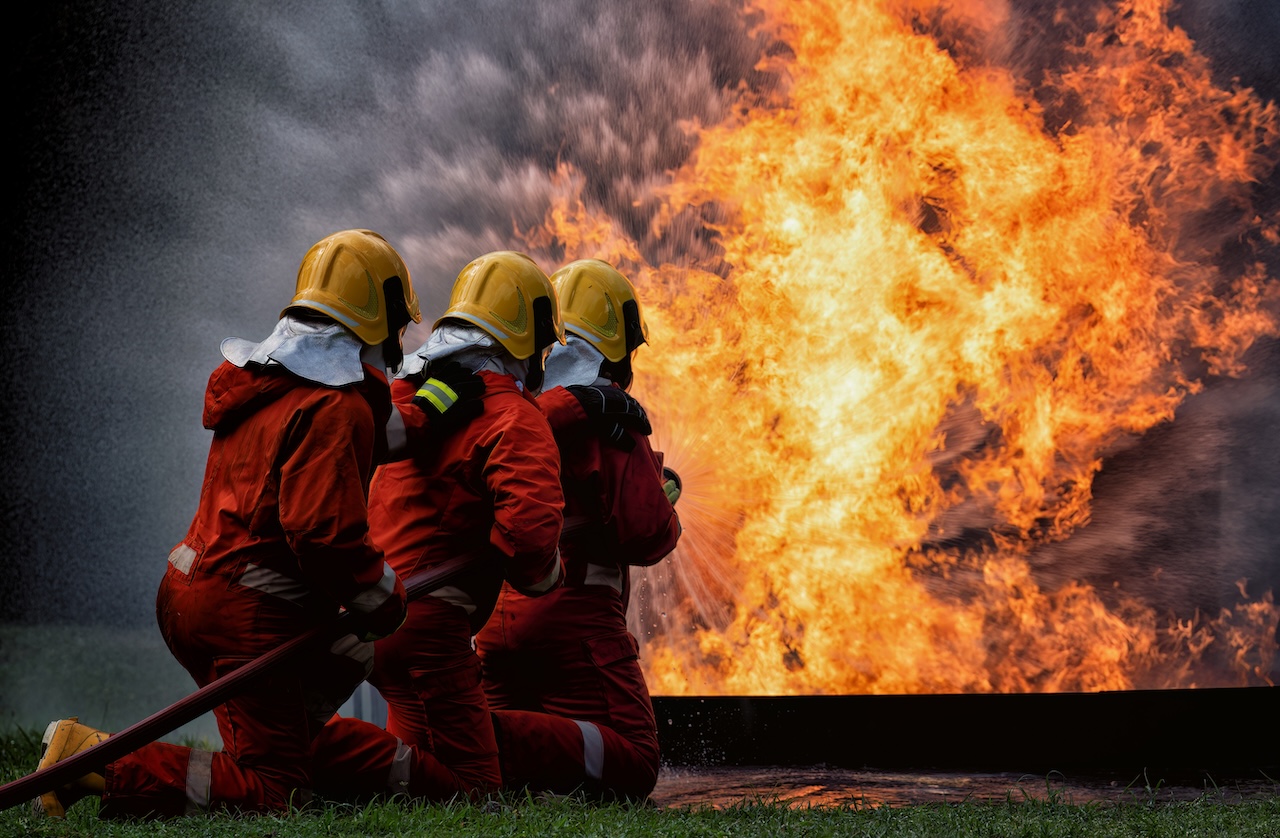
The Company provides basic firefighting training and conducts regular fire evacuation drills to ensure employees are well prepared to respond appropriately in the event of a fire emergency. In addition, the Company promotes Behavior-Based Safety (BBS) by strengthening safety awareness and enhancing supervisors’ capabilities, fostering safe work behaviors and contributing to the effective reduction and prevention of workplace accidents.
Occupational Health and Safety Risk Assessment for New Projects
The Company conducts occupational health and safety risk assessments for new operations and projects through its Management of Change (MOC) process prior to implementation. This ensures that all changes, modifications, and new investments are comprehensively evaluated for potential risks and appropriate control measures before execution.
Management of Change process (MOC)
The assessment process covers potential impacts and risks related to employee health and safety, workplace conditions, transportation activities, and noise exposure. It also considers environmental risks that may affect health and safety outcomes, including water use, waste management, and air emissions, ensuring that both occupational and environmental aspects are comprehensively evaluated.
Assessment Conducted Prior to Project Implementation
Occupational health, safety, and working environment risks are assessed and considered prior to the approval and implementation of any new project.
Comprehensive Risk Coverage
The assessment encompasses employee safety, transportation activities, noise exposure, water use, waste management, and air emissions that may have implications for occupational health and safety.
Establishment of Control Measures
Assessment results are used to establish appropriate control, prevention, and mitigation measures to ensure that new operations and projects are implemented safely and responsibly.
Outcomes of the Assessment Process: Risk assessment outcomes are used to establish appropriate control, prevention, and mitigation measures before project approval or implementation. This process helps ensure that new operations are carried out safely and in compliance with the Company’s occupational health, safety, and environmental requirements.
Employee Safety Training in 2025
The Company continuously provides occupational health and safety training and communication programs for employees through both dedicated safety courses and general training programs that incorporate safety-related content. These initiatives aim to enhance safety awareness, reduce workplace risks, and foster a strong safety culture across the organization.
Received Direct Safety Training
Employees who participated in courses or training programs specifically focused on workplace health and safety.
Received Training Incorporating Safety-Related Content
Employees who participated in general training programs that included occupational health and safety topics as part of the course content.
Performance Achievements (Impact & Results)
The successful implementation of the Company’s safety culture initiatives and proactive prevention measures has led to a tangible reduction in workplace incident rates, demonstrating the effectiveness of its systematic approach to occupational health and safety management.
1 person
0
Long-term Targets (Commitment)
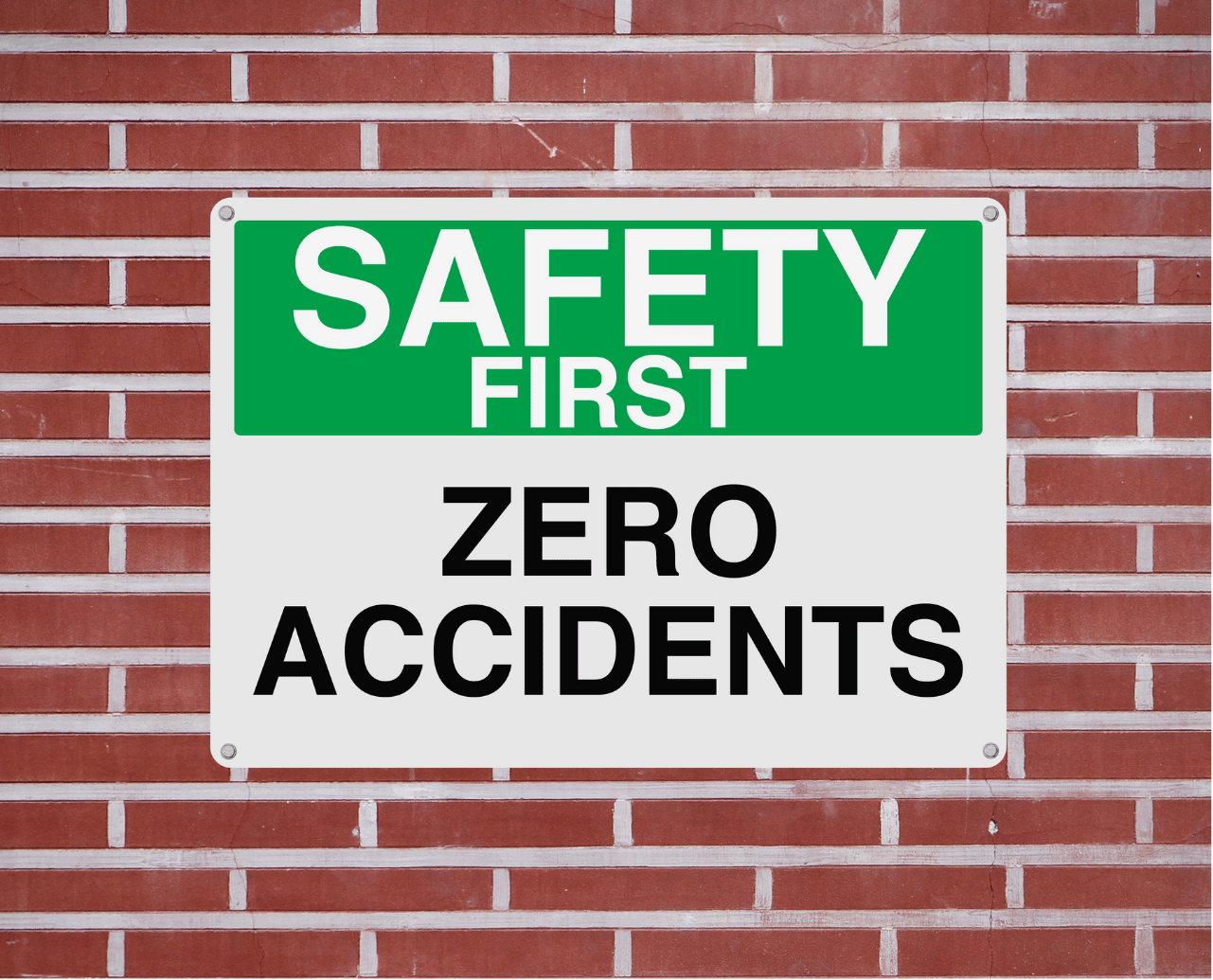
The Company is implementing its Zero Accident Roadmap with the goal of achieving a workplace free from work-related accidents. As part of this commitment, the Company has set a target to reduce its Lost Time Injury Frequency Rate (LTIFR) to zero by 2030, reinforcing a strong and enduring safety culture across the organization.
Employee Health Promotion Program for the Prevention of Non-Communicable Diseases (NCDs)
Annual health check-up results indicated that a number of employees had Body Mass Index (BMI) levels above the recommended range, increasing their risk of developing non-communicable diseases (NCDs). In response, the Company launched this program to encourage employees to adopt healthier lifestyles and make sustainable behavioral changes that support long-term health and well-being.
Program Implementation (Key Activities)
Promoting Physical Activity and Exercise
The Company promotes active lifestyles through a range of initiatives, including the “MAMA Step Challenge” step-count competition via a mobile application, campaigns encouraging employees to use stairs instead of elevators, and the Healthy Rally Mission program designed to foster healthier behaviors. In addition, the Company supports employee well-being by providing exercise facilities and organizing activities such as yoga and aerobics classes, as well as internal badminton tournaments to encourage regular physical activity.
Health Education and Awareness
The Company invites healthcare professionals and medical specialists to provide educational sessions on the prevention of non-communicable diseases (NCDs), healthy nutrition and dietary practices, as well as strategies for reducing the risk of cardiovascular and cerebrovascular diseases.
Mental Health and Well-being Support
In collaboration with the Provincial Public Health Office, the Company implements workplace mental well-being programs to promote positive mental health and support the holistic well-being of employees.
Program Outcomes
Measurable Health Outcomes
The majority of participating employees demonstrated improvements in their overall health, including reductions in Body Mass Index (BMI). In addition, a greater proportion of participants achieved normal blood test results, including cholesterol, triglyceride, and blood glucose levels, reflecting positive changes in health behaviors and outcomes.
Economic Value and Cost Effectiveness
Average employee medical reimbursement expenses decreased significantly compared with the previous year, reflecting the effectiveness of the program in reducing health risks and generating tangible economic benefits for both employees and the Company.
Comparative Occupational Health, Safety, and Working Environment Performance Data
Safety Performance of Subsidiaries and Operational Sites (per 200,000 Working Hours / per 1,000,000 Working Hours)
| No. | Targets and Key Performance Indicators (KPIs) | Group Companies | TF-sra 68 | TF-sra 69 | TF-lpn 68 | TF-lpn 69 | TF-ryg 68 | TF-ryg 69 | TF-rbi1 68 | TF-rbi1 69 | TF-rbi2 68 |
|---|---|---|---|---|---|---|---|---|---|---|---|
| 1 | Zero Work-related Fatalities | 0 / 0 | 0 / 0 | 0 / 0 | 0 / 0 | 0 / 0 | 0 / 0 | 0 / 0 | 0 / 0 | 0 / 0 | 0 / 0 |
| 2 | Total Case Incident Rate (TCIR) | 0.92 / 4.6 | 0.81 / 4.05 | 1.56 / 7.8 | 0.91 / 4.55 | 1.27 / 6.35 | 2.09 / 10.45 | 0.9 / 4.5 | 0.57 / 2.85 | 0.86 / 4.3 | 0.19 / 0.95 |
| 3 | Lost Time Injury Frequency Rate (LTIFR) | - | 0.42 / 2.11 | 1.08 / 5.39 | 0.14 / 0.7 | 1.02 / 5.09 | 0.83 / 4.17 | 0.75 / 3.73 | 0.29 / 1.43 | 0.86 / 4.3 | 0.09 / 0.47 |
| 4 | Number of High-Consequence Work-related Injuries | 0 / 0 | 0 / 0 | 0 / 0 | 0 / 0 | 0 / 0 | 0 / 0 | 0 / 0 | 0 / 0 | 0 / 0 | 0 / 0 |
| 5 | Number of Work-related Illness Fatalities | 0 | 0 | 0 | 0 | 0 | 0 | 0 | 0 | 0 | 0 |
| 6 | Work-related Illness Rate | 0 | 0 | 0 | 0 | 0 | 0 | 0 | 0 | 0 | 0 |
Note: The data presented reflect the Company’s occupational health, safety, and working environment performance. Reported rates are calculated per 200,000 working hours or per 1,000,000 working hours, as applicable.
Advancing Toward a Sustainably Safe Organization
Occupational Health and Safety Performance Progress